
Pilates for Chronic Pain: How Private Sessions & Physical Therapy Work Together
Combining Pilates with physical therapy creates a powerful approach to chronic pain management that addresses both symptoms and underlying causes:
- Integrated approach: PT addresses acute issues while Pilates builds long-term movement strategies
- Private session benefits: Personalized modifications, individual attention, and pace control for pain fluctuations
- Evidence-based results: Studies show 40-60% pain reduction when combining movement therapy with manual treatment
- Conditions helped: Back pain, fibromyalgia, arthritis, chronic fatigue, headaches, and post-injury pain
- Timeline: Most people see initial improvements in 4-6 weeks with significant changes by 12 weeks
- Key success factors: Professional guidance, consistent practice, and addressing both physical and psychosocial aspects of pain
Bottom line: Chronic pain requires comprehensive care—the combination of PT expertise and Pilates movement training offers hope for sustainable relief.
Living with chronic pain can feel overwhelming and isolating. Traditional medical approaches often focus on symptom management through medications, while many exercise programs either cause increased pain or fail to address the complex nature of persistent pain conditions.
Chronic pain affects every aspect of life—physical function, emotional well-being, relationships, work performance, and overall quality of life. Research shows that the most effective pain management approaches combine multiple strategies, addressing not just the physical symptoms but also the movement patterns, fear responses, and lifestyle factors that perpetuate pain cycles.
The integration of physical therapy and Pilates represents a sophisticated approach to chronic pain management that addresses both immediate symptom relief and long-term movement health. This combination provides the clinical expertise needed to address complex pain conditions while building the movement confidence and functional strength necessary for sustained improvement.
Understanding Chronic Pain: Why It Requires Specialized Approaches
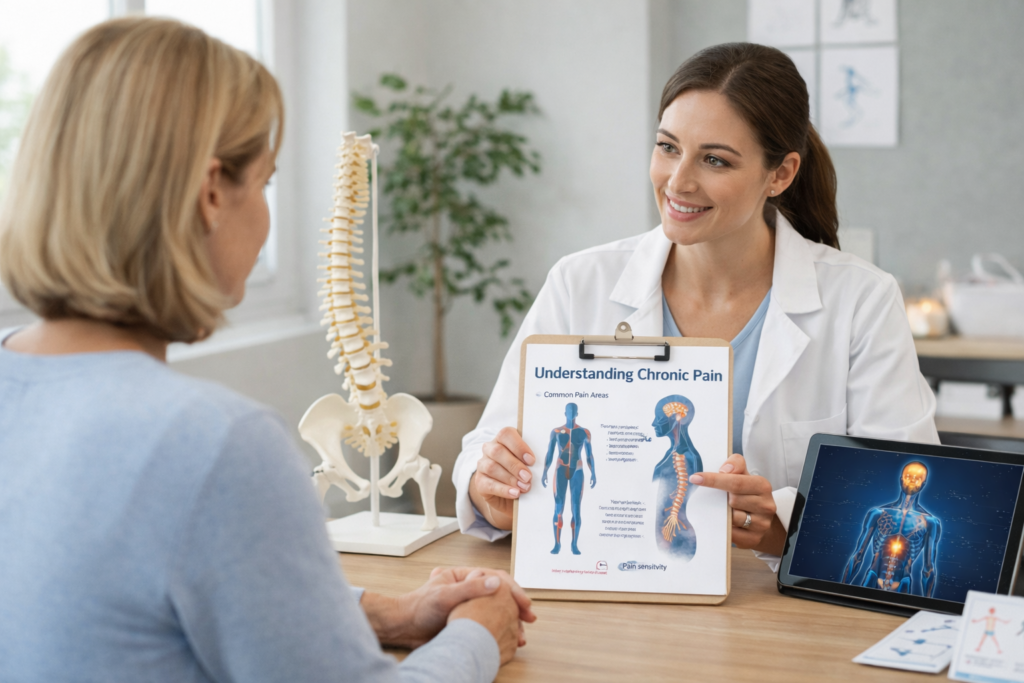
Chronic pain differs fundamentally from acute pain in both its mechanisms and treatment requirements. Understanding these differences is crucial for developing effective management strategies.
Defining Chronic Pain: The International Association for the Study of Pain defines chronic pain as pain that persists for more than 3-6 months or beyond normal tissue healing time. Unlike acute pain, which serves as a protective warning system, chronic pain often becomes a condition in itself rather than a symptom of tissue damage.
How Chronic Pain Changes Your System:
Central Sensitization: Chronic pain can alter how your nervous system processes pain signals, making you more sensitive to painful stimuli and sometimes causing non-painful sensations to be perceived as painful.
Movement Fear and Avoidance: Pain experiences often create fear of movement, leading to protective behaviors that can actually worsen pain and function over time.
Muscle Deconditioning: Reduced activity due to pain leads to weakness, stiffness, and poor coordination, creating a cycle where movement becomes more difficult and potentially more painful.
Postural Adaptations: Chronic pain often leads to compensatory movement patterns and postural changes that can perpetuate pain and create new problems in other areas.
Psychological Impact: Chronic pain affects mood, sleep, stress levels, and overall mental health, which in turn can influence pain perception and coping abilities.
Social and Lifestyle Effects: Pain can limit participation in work, social activities, and family life, leading to isolation and reduced quality of life.
Research published in the Journal of Pain Research demonstrates that chronic pain is best managed through comprehensive approaches that address multiple contributing factors rather than focusing solely on pain reduction.
The Physical Therapy Foundation: Clinical Expertise for Complex Pain
Comprehensive physical therapy services provide the clinical foundation necessary for safe and effective chronic pain management.
Comprehensive Assessment: Physical therapists conduct detailed evaluations that go beyond identifying pain locations to understand:
- Movement patterns and compensations
- Muscle imbalances and weaknesses
- Joint restrictions and mobility limitations
- Postural habits and ergonomic factors
- Previous injury history and current symptoms
- Psychosocial factors affecting pain experience
Evidence-Based Treatment Techniques:
Manual Therapy: Hands-on techniques including joint mobilization, soft tissue mobilization, and trigger point release can provide immediate pain relief while improving tissue quality and movement patterns.
Pain Science Education: Teaching patients about pain mechanisms helps reduce fear and anxiety while empowering active participation in recovery.
Movement Analysis: Identifying problematic movement patterns allows for targeted interventions that address root causes rather than just symptoms.
Functional Training: Progressive exercises that simulate daily activities help bridge the gap between pain relief and real-world function.
Modality Integration: When appropriate, techniques like dry needling, electrical stimulation, or heat/cold therapy can provide additional pain relief and tissue healing support.
Specialized Techniques for Chronic Pain:
Graded Exposure Therapy: Systematic, gradual introduction of feared movements helps overcome movement phobias that maintain pain cycles.
Cognitive-Behavioral Strategies: Techniques for managing pain-related thoughts, emotions, and behaviors that influence the pain experience.
Pacing and Activity Modification: Learning to balance activity and rest to prevent pain flares while maintaining function and progress.
According to Physical Therapy Journal, physical therapy interventions for chronic pain show the best outcomes when combined with active movement approaches rather than being used in isolation.
The Pilates Integration: Movement Therapy for Lasting Change
While physical therapy provides the clinical foundation, Pilates offers the movement framework necessary for building lasting pain management skills and functional improvement.
Why Pilates Works for Chronic Pain:
Low-Impact, Controlled Movement: Pilates exercises can be performed gently and precisely, allowing people with pain to move safely while building strength and confidence.
Core Stabilization Focus: A strong, coordinated core provides the foundation for pain-free movement and reduces stress on other body parts that may be compensating.
Mind-Body Integration: The mental focus required in Pilates helps develop body awareness and movement control while providing a meditative break from pain-related stress.
Breath-Centered Approach: Proper breathing techniques help manage pain perception, reduce muscle tension, and activate the parasympathetic nervous system for relaxation.
Progressive Challenge: Pilates allows for gradual advancement from gentle movement to more challenging exercises, supporting progressive loading and confidence building.
Functional Movement Patterns: Pilates exercises mirror and improve movements needed for daily activities, making the benefits immediately applicable to real life.
Pain-Specific Benefits of Pilates:
Improved Movement Efficiency: Better movement patterns reduce the energy cost of daily activities and decrease stress on painful areas.
Enhanced Body Awareness: Increased proprioception helps identify and correct movement habits that contribute to pain.
Stress Reduction: The mindful nature of Pilates practice helps manage the stress and anxiety often associated with chronic pain.
Sleep Quality Improvement: Regular Pilates practice often improves sleep quality, which is crucial for pain management and healing.
Social Support: Group classes provide community and normalization of the chronic pain experience while building accountability for consistent practice.
The evidence-based STOTT PILATES method emphasizes proper alignment and controlled movement, making it particularly suitable for people managing chronic pain conditions.
The Power of Private Sessions: Personalized Pain Management
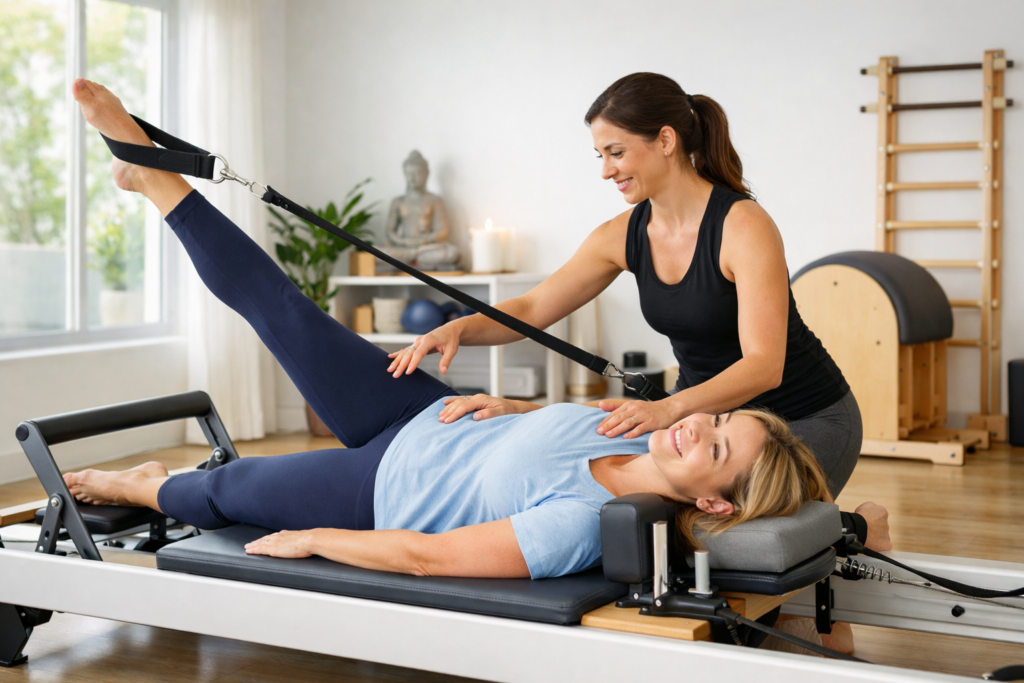
While group classes offer community and structure, individualized private Pilates sessions provide unique advantages for chronic pain management that can be crucial for success.
Individualized Assessment and Programming: Private sessions allow for comprehensive evaluation of your specific pain condition, movement limitations, and personal goals. Every exercise can be modified or progressed based on your daily pain levels and response to treatment.
Real-Time Modifications: Chronic pain is unpredictable. Private sessions provide the flexibility to adjust the workout based on how you’re feeling each day, ensuring you can always participate safely and beneficially.
Pain Education Integration: One-on-one time allows for detailed discussion about pain science, movement strategies, and self-management techniques that are specific to your condition and lifestyle.
Fear and Anxiety Management: Private sessions provide a safe space to work through movement fears at your own pace, with immediate support and encouragement from a qualified instructor.
Precise Technique Instruction: Proper form is crucial when managing pain. Private sessions ensure you learn correct movement patterns that support healing rather than perpetuate problems.
Coordination with Healthcare Providers: Private instructors can work directly with your physical therapy team, ensuring seamless integration of treatment approaches and consistent messaging about your care.
Benefits Unique to Private Sessions:
Pace Control: Move at exactly the right speed for your body without pressure from group dynamics or class timing.
Attention to Contraindications: Immediate recognition and modification of any exercises that trigger pain or discomfort.
Emotional Support: Private sessions provide space to process the emotional challenges of chronic pain while building physical capabilities.
Family Education: Include family members in sessions to help them understand your condition and learn how to provide appropriate support.
Home Program Development: Customized exercise programs for between-session practice that address your specific needs and limitations.
Common Chronic Pain Conditions: Specialized Approaches
Different chronic pain conditions require specific considerations and modifications. Understanding how Pilates and PT work together for various conditions helps set appropriate expectations and treatment goals.
Chronic Low Back Pain
The Challenge: Low back pain is the leading cause of disability worldwide, often involving complex interactions between muscle imbalances, movement patterns, fear avoidance, and psychosocial factors.
PT Approach:
- Manual therapy for joint mobility and muscle tension
- Specific exercise prescription for core stabilization
- Movement pattern retraining for daily activities
- Pain education to reduce fear and catastrophizing
Pilates Integration:
- Progressive core strengthening emphasizing deep stabilizers
- Spinal mobility exercises in pain-free ranges
- Postural awareness and correction
- Functional movement training for work and recreation
Expected Outcomes: Research shows 50-70% of people with chronic low back pain experience significant improvement when combining manual therapy with movement approaches like Pilates.
Fibromyalgia
The Challenge: This widespread pain condition involves central nervous system changes that affect pain processing, often accompanied by fatigue, sleep problems, and mood changes.
PT Approach:
- Gentle manual therapy for symptom relief
- Graded exercise therapy to improve tolerance
- Pain education and coping strategy development
- Sleep hygiene and fatigue management
Pilates Integration:
- Very gentle, low-intensity exercises that can be modified daily
- Breathing and relaxation techniques
- Improved body awareness to recognize early warning signs
- Social support through modified group classes
Expected Outcomes: Studies show 30-40% improvement in pain and function for fibromyalgia patients who participate in combined manual therapy and gentle exercise programs.
Chronic Neck and Shoulder Pain
The Challenge: Often related to postural problems from desk work, this condition involves muscle tension, joint stiffness, and headaches.
PT Approach:
- Cervical and thoracic spine mobilization
- Deep neck flexor strengthening
- Postural correction and ergonomic education
- Tension headache management strategies
Pilates Integration:
- Postural awareness and strengthening
- Shoulder blade stabilization exercises
- Upper back and neck flexibility work
- Stress reduction through mindful movement
Expected Outcomes: Most people see significant improvement in 6-12 weeks when addressing both tissue restrictions and postural habits.
Post-Surgical or Post-Injury Chronic Pain
The Challenge: Sometimes pain persists after tissues have healed, involving fear of movement and protective behaviors.
PT Approach:
- Tissue assessment and mobility restoration
- Graded exposure to feared movements
- Strength and coordination retraining
- Return-to-activity planning
Pilates Integration:
- Confidence building through controlled movement
- Progressive challenge in safe environment
- Movement quality emphasis over intensity
- Preparation for return to desired activities
Success Factors: What Makes the Difference
Successful chronic pain management through combined PT and Pilates approaches depends on several key factors that research and clinical experience have identified as crucial for positive outcomes.
Professional Coordination: The most effective results occur when your physical therapy and Pilates teams communicate and coordinate their approaches. This ensures consistent messaging about movement goals, safety considerations, and progress expectations while avoiding conflicting recommendations.
Individualized Assessment: Both your physical therapy evaluation and Pilates assessment should consider your specific pain condition, movement limitations, previous treatment history, and personal goals. This comprehensive understanding allows for appropriate exercise selection and modification.
Realistic Timeline Expectations: Most people begin to see initial improvements in 4-6 weeks with significant changes typically occurring by 12 weeks. However, chronic pain management is an ongoing process rather than a destination, and sustainable improvement often requires 6-12 months of consistent participation.
Active Participation: Success requires your active engagement in both treatment sessions and home exercise compliance. This includes communicating openly about symptoms, following through with recommended exercises, and taking ownership of lifestyle factors that support or hinder recovery.
Flexibility and Adaptation: Chronic pain is unpredictable, requiring treatment approaches that can be modified based on daily symptoms, life stresses, and changing needs. The most successful programs build in flexibility while maintaining consistency in movement principles.
Comprehensive Approach: Addressing chronic pain often requires attention to multiple factors including sleep quality, stress management, nutrition, social support, and mental health alongside the physical interventions. The most effective treatment plans acknowledge and address these interconnected aspects of pain experience.
The American Chronic Pain Association emphasizes that the most successful pain management approaches involve active patient participation in comprehensive treatment plans rather than passive receipt of treatments.
Overcoming Common Challenges
People with chronic pain often face specific challenges that can interfere with treatment success. Understanding and preparing for these challenges improves the likelihood of positive outcomes.
Challenge: Fear of Movement Many people with chronic pain develop kinesiophobia—fear of movement that can limit willingness to participate in exercise.
Solution Strategy:
- Start with very gentle, controlled movements
- Education about the difference between hurt and harm
- Gradual exposure to feared movements in supportive environment
- Celebration of small victories to build confidence
Challenge: Unpredictable Symptoms Chronic pain often fluctuates unpredictably, making it difficult to maintain consistent exercise routines.
Solution Strategy:
- Flexible programming that can be modified based on daily symptoms
- Development of “good day” and “bad day” exercise options
- Focus on movement consistency rather than intensity consistency
- Skills training for self-modification of exercises
Challenge: Past Exercise Failures Many people with chronic pain have tried multiple approaches that didn’t work, leading to skepticism and reduced motivation.
Solution Strategy:
- Acknowledgment of past experiences and validation of frustration
- Clear explanation of how this approach differs from previous attempts
- Small, achievable initial goals to rebuild confidence
- Regular assessment and adjustment of treatment approach
Challenge: Healthcare System Navigation Managing multiple providers and treatment approaches can be overwhelming and sometimes contradictory.
Solution Strategy:
- Clear communication between all providers
- Regular case conferences to ensure coordinated care
- Written treatment plans and goals shared among team members
- Patient advocacy to ensure needs are met
The Atlanta Advantage: Integrated Care Excellence
Atlanta’s healthcare community offers unique advantages for people seeking comprehensive chronic pain management through combined PT and Pilates approaches.
Collaborative Care Culture: Many Atlanta healthcare providers embrace multidisciplinary approaches, making it easier to find professionals who work together effectively.
Educational Excellence: Access to highly trained professionals who stay current with pain science research and evidence-based treatment approaches.
Diverse Options: Multiple facilities offering different approaches, allowing people to find the best fit for their specific needs and preferences.
Insurance Integration: Growing insurance coverage for physical therapy and recognition of exercise therapy benefits for chronic pain management.
Community Support: Active chronic pain support groups and wellness communities that provide additional resources and social connection.
Beyond Pain Relief: Long-Term Health and Function
While pain reduction is often the initial goal, the benefits of combined PT and Pilates treatment extend far beyond symptom management.
Functional Improvement: Better movement patterns and strength support improved ability to perform work, family, and recreational activities.
Health Promotion: Regular exercise contributes to cardiovascular health, bone density, mental health, and overall wellness.
Injury Prevention: Improved movement quality and body awareness reduce the risk of future injuries and pain episodes.
Confidence Building: Success in managing chronic pain builds confidence that carries over to other life challenges and goals.
Lifestyle Enhancement: Better physical function and reduced pain often lead to improved sleep, mood, relationships, and overall quality of life.
Aging Preparation: The movement skills and body awareness developed through this approach support healthy aging and maintain independence.
Cochrane Reviews consistently demonstrate that active treatment approaches for chronic pain provide better long-term outcomes than passive treatments alone, supporting the value of comprehensive movement-based interventions.
Taking the First Step: Your Pain Management Journey
If you’re living with chronic pain, the combination of physical therapy and Pilates offers hope for meaningful improvement in both symptoms and function. While the journey isn’t always linear and requires commitment and patience, the potential for reclaiming your life and health makes the effort worthwhile.
Success begins with finding qualified professionals who understand chronic pain and can work together to provide coordinated, evidence-based care. The integration of clinical expertise with movement training creates powerful synergy that addresses both immediate symptom relief and long-term health promotion.
Ready to explore how integrated PT and Pilates can help manage your chronic pain? Begin your pain management journey with a consultation that considers your specific pain condition, treatment history, and personal goals.
Remember: chronic pain doesn’t have to define your life. With the right approach and support, you can reclaim function, reduce suffering, and build a foundation for long-term health and vitality.
Your pain may be chronic, but it doesn’t have to be unchangeable. The combination of professional expertise, evidence-based treatment, and your active participation can create positive change that seemed impossible before. Take that first step—your future self will thank you.