
Pelvic Health Program
Expert Care for “Down There”
Most people are familiar with Physical Therapy for low back pain, knee pain and shoulder problems. What most people don’t know is that Physical Therapists also treat a whole host of “hidden” dysfunctions — such as urinary incontinence, pelvic organ prolapse, abdominal and pelvic pain, and post-natal care (to name a few). Those conditions, along with many more, are within the scope of the Pelvic Rehabilitation Specialist.
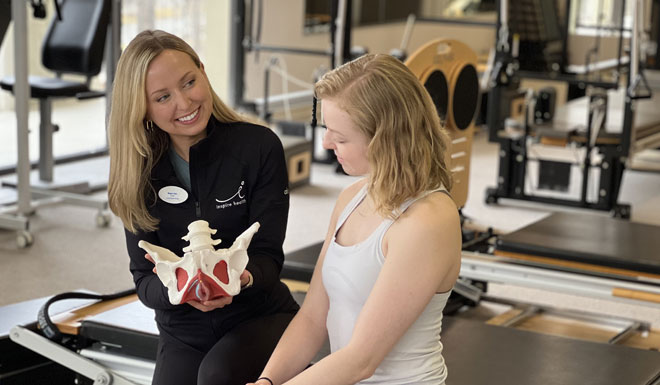
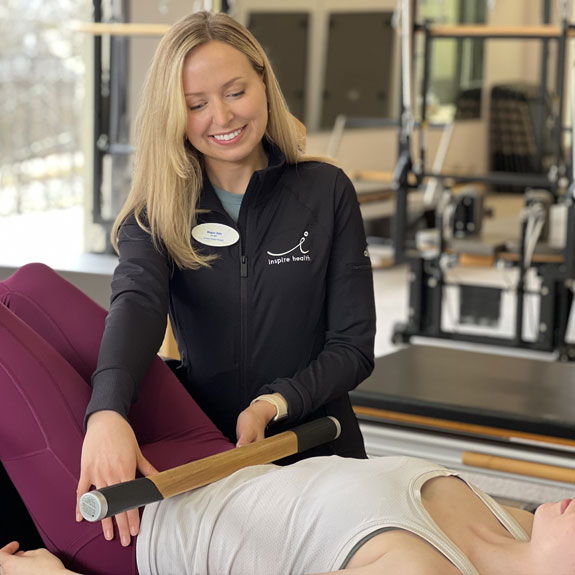
What is my pelvic floor?
The pelvic floor is the set of muscles that support bladder and bowel function, stabilize posture in functional activity, and are integral to sexual activity. These muscles are located at the bottom of the pelvis and interact directly with the hip, low back, and abdominals muscles.
This muscle group is also often overlooked. Usually, the root of a person’s low back pain may be in the pelvic floor. Our pelvic health specialists have extensive training with the Herman and Wallace Institute in treating both female and male pelvic floor dysfunction.
Our therapists work closely with a number of Obstetricians, Gynecologists, Urogynecologists, and Urologists in the Atlanta Metro area to coordinate diagnosis and treatment of a wide variety of pelvic conditions and manage post-surgical rehabilitation. However, we also see many clients who come directly to our therapists with complaints of pain and dysfunction following child-birth, injury, or surgery. After a thorough evaluation, our therapists can offer a treatment plan and referral to a physician, if needed.
Our Physical Therapists

Sara Baker, PT, MSPT, OCS
CEO and Founder
Physical Therapist
Board Certified Orthopaedic Specialist
STOTT PILATES® Rehab Instructor Trainer
ZEN•GA® Qualified Equipment Instructor
Dry Needling Licensed

Linea FitzGerald PT, MPT, OCS
President
Physical Therapist
Board Certified Orthopaedic Specialist
STOTT PILATES® Certified Instructor
ZEN•GA® Qualified Mat and Equipment Instructor
Dry Needling Licensed

Megan Hale PT, DPT
Director of Physical Therapy
Physical Therapist
Pelvic Health Specialist
STOTT PILATES® Rehab Certified Instructor
Dry Needling Licensed

Eleanore Purser, PT, MSPT, cert. MDT
Physical Therapist
Physical Therapist
STOTT PILATES® Certified Instructor
Certified in the McKenzie Method
Dry Needling Licensed

Savannah Hood PT, DPT
Physical Therapist
Pelvic Health Specialist
Cancer Rehabilitation Certfied Therapist
Trained Therapist in Dance Medicine
Dry Needling Licensed
STOTT PILATES® Rehab Trained

Nadine Paull PT, DPT
Physical Therapist
Physical Therapist
STOTT PILATES(R) Rehab Trained Instructor
Dry Needling Licensed
Pelvic Health Program Articles
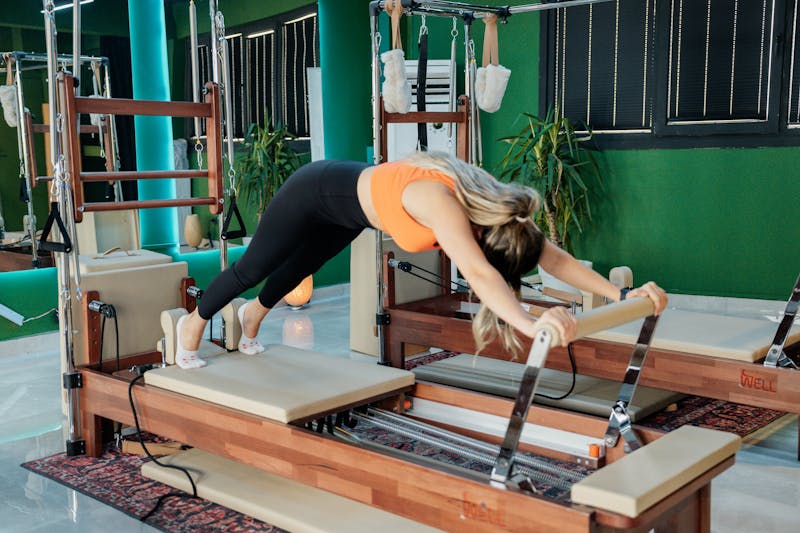
Pilates for Postpartum Recovery & Pelvic Health in Atlanta: Your Path to Stronger Recovery
Postpartum Pilates, when properly delivered, can transform your recovery experience and set the foundation for long-term health and strength.
The postpartum period presents unique challenges—physical recovery from pregnancy and birth, sleep deprivation, hormonal fluctuations, and the overwhelming demands of caring for a new baby. While your body has accomplished something miraculous, it also needs careful, intentional support to recover fully and thrive in your new role as a mother.
Traditional fitness approaches often fall short during postpartum recovery, either being too aggressive for healing tissues or too generic to address the specific changes pregnancy and birth create in your body. Pilates, with its emphasis on breath, core recovery, and mindful movement, offers an ideal framework for postpartum rehabilitation when adapted appropriately for this critical healing period.
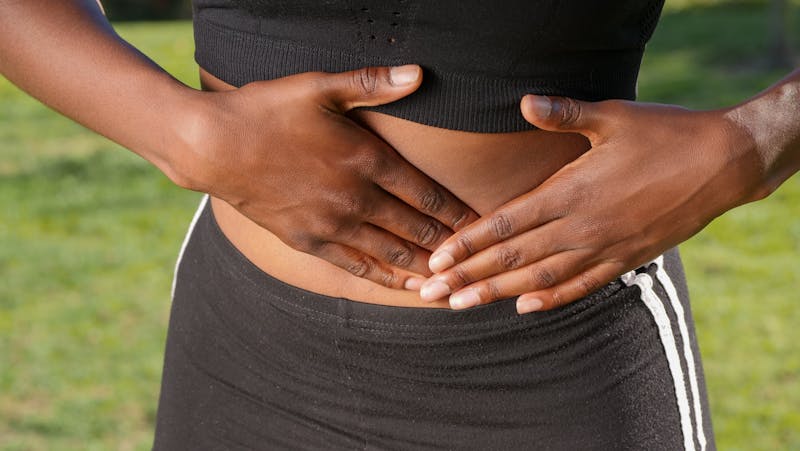
Diastasis Recti Before & After: How Pilates-Based Rehabilitation Transforms Recovery
When facing diastasis recti, it’s natural to search for before and after photos, hoping to see what recovery might look like. While every person’s journey is unique, understanding how Pilates-based rehabilitation works—and what realistic outcomes look like—can help set appropriate expectations while providing hope for meaningful recovery.

Diastasis Recti Recovery: Understanding Your Timeline and Treatment Options
If you’ve recently discovered you have diastasis recti or have been struggling with this condition, you’re likely wondering: “How long will recovery take?” and “What treatment options actually work?” These are among the most common questions we hear from clients beginning their diastasis recti journey.